Rolf Movement
“In the old days, (during a Rolfing session), I had never given much thought to movement because I always thought that there is nothing better than just a brilliant, precise manual intervention. But in getting older, I’m a little bit more tolerant of introducing movement, and I realize that actually, aside from manual interventions, people need awareness through motion-they need that for their deeper structures”
Rolf Movement Education
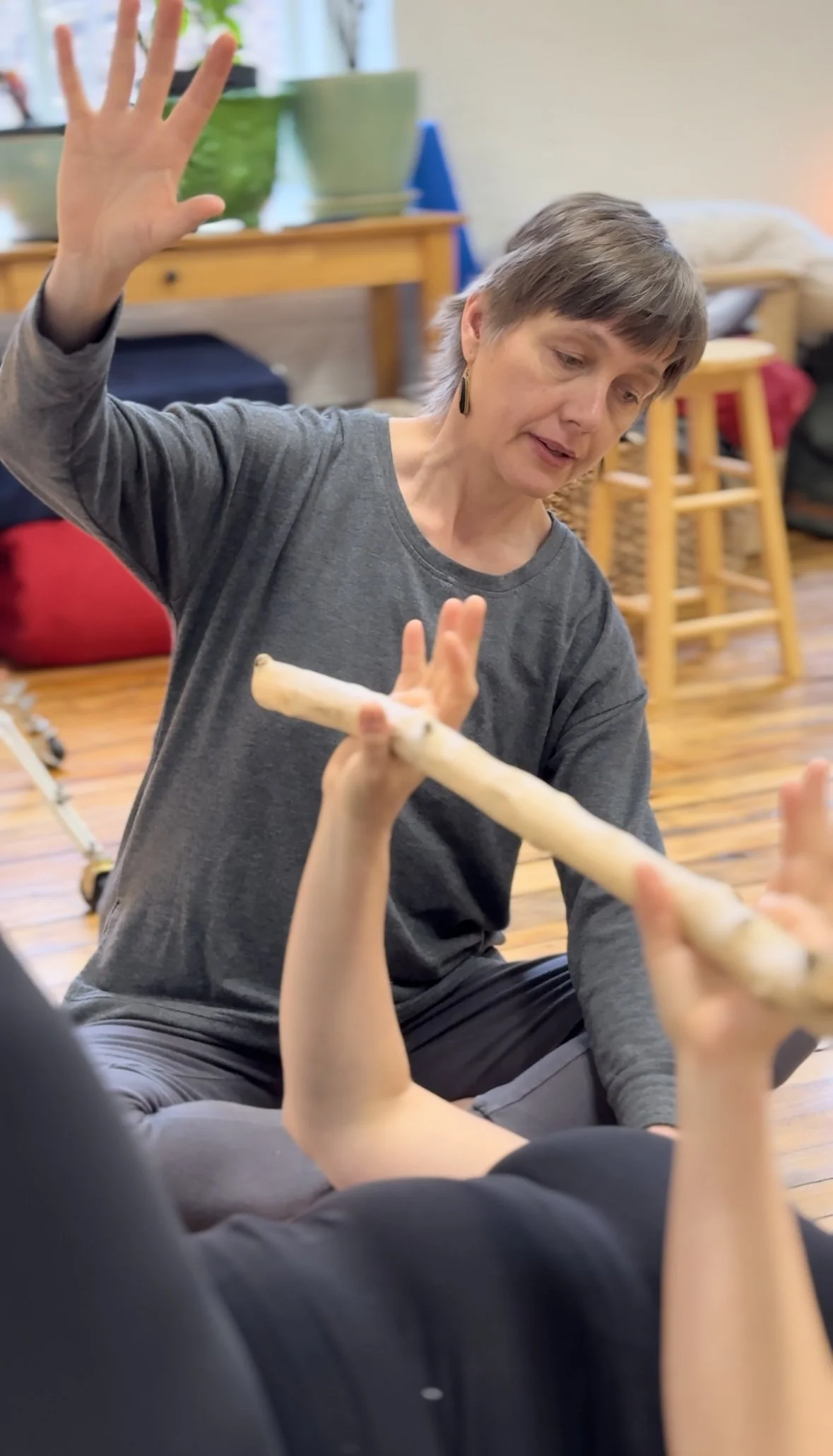
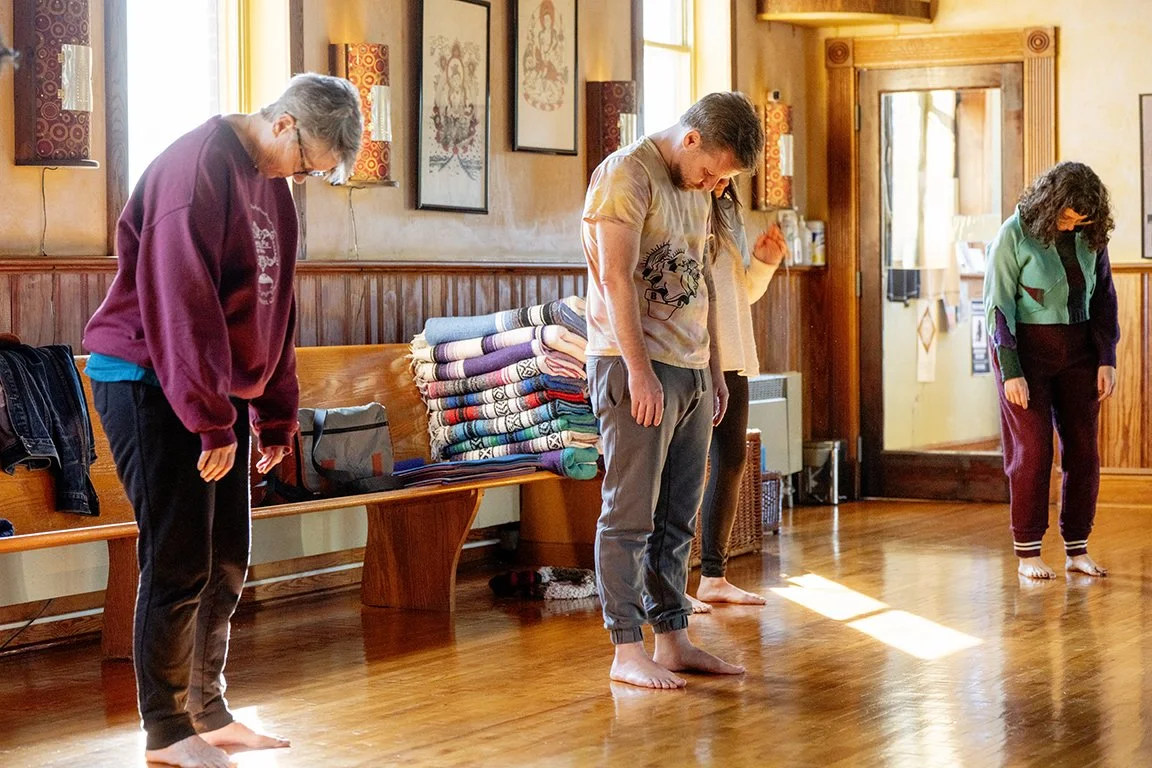
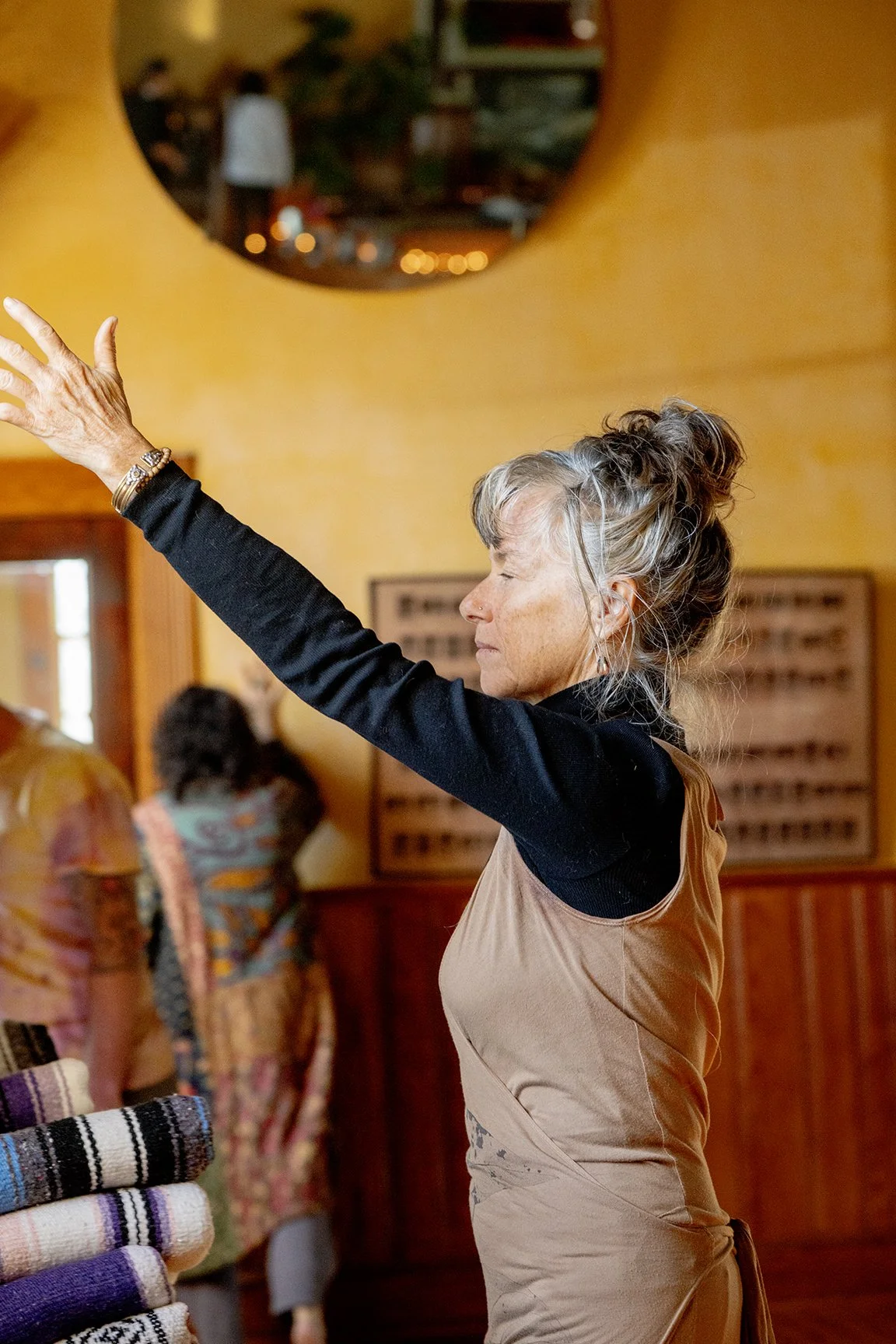
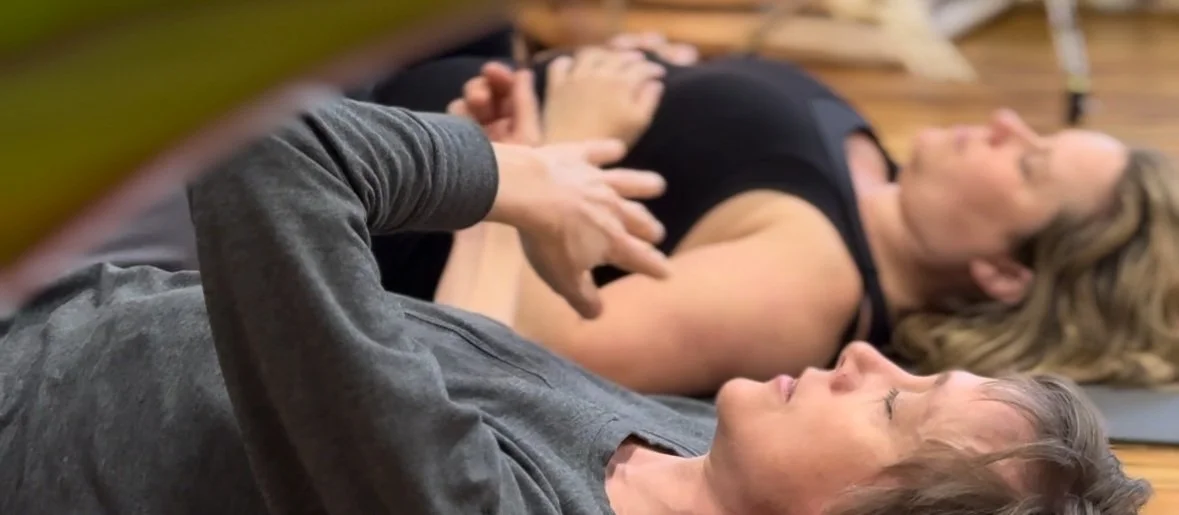
Rolf Movement® Integration is a unique system of work, which advances the goals of Rolfing® Structural Integration. While the latter changes structure directly through fascial manipulation, Rolf Movement initiates the experience of long-term structural change by altering well established movement patterns.
Life is motion. Where normal motion is limited, tension eventually results. Over time, limited motion results in structural imbalance, back and neck pain, sore muscles, poor posture, low energy, and feelings of stress.
Movement inhibition results from injury, emotional trauma, learned habits, overuse, and misuse. Although they originally develop because they serve us, movement patterns can outlive their usefulness. Limiting the movement in our hips as we walk is a pattern that might have served us when we were self-conscious teenagers. But it may not communicate who we want to be today, and it might be contributing to muscle tightness and chronic low back pain. Movement work doesn’t demand that you get rid of old patterns but, instead, introduces alternatives to increase your movement options.
Rolf Movement techniques are usually sprinkled “as needed” into structural sessions. I often apply Movement work at the beginning of a Rolfing session to help clients explore new ways of being before diving into fascial manipulations. I find that this begins the reorganizing process at the neurological level, making change more accessible once on the table. Without Movement work, greater range of motion stay buried beneath old neurological, psychological and historical patterns. Movement “homework” helps clients incorporate these changes in their response repertoire.
I have completed additional certifications, in order to better help clients create changes in their perception and coordinative experience — to affect long-held movement patterns.
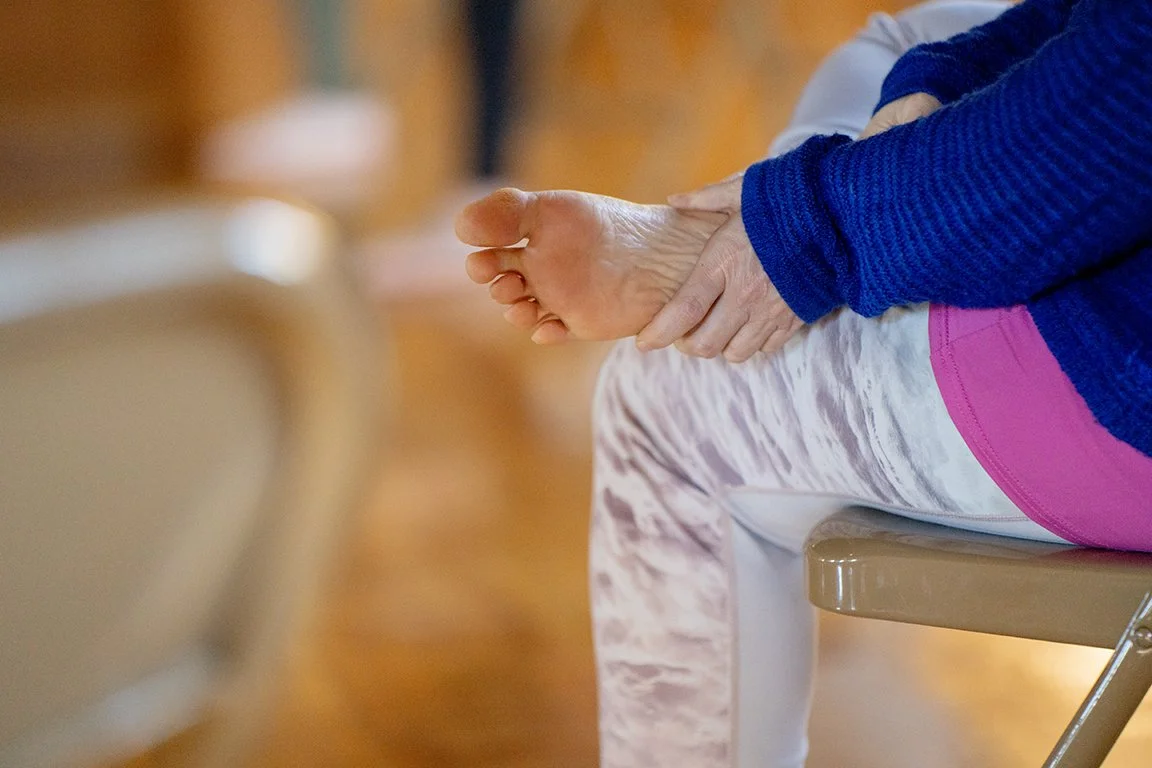
Rolfing Movement Sessions
Entire sessions devoted to Rolf Movement are valuable — whether used stand-alone or in conjunction with structural manipulation. Rolf Movement sessions can focus on any area or issue that may create long-term improvement in their posture and function.
Sessions might focus on developing greater support and ease in sitting; refining walking gait to use muscles more efficiently; or customizing a clients’ workspace to reduce effects of repetitive stress. A pregnant woman might use Rolf Movement sessions to help her adjust to the ongoing shift in her center of gravity. Athletes use Movement work to improve performance — a sprinter might want to explore ways to leave the block faster; a golfer may want to find ways to use more of her full body when swinging a club. Movement work is offered in groups or in private.
During a ten-series, a client may become aware of movements that are particularly challenging or areas of chronic holding. For a client with deeply ingrained patterns, additional sessions devoted to Movement integration can be extremely effective. Furthermore, movement develops greater body awareness—an important goal for anyone.